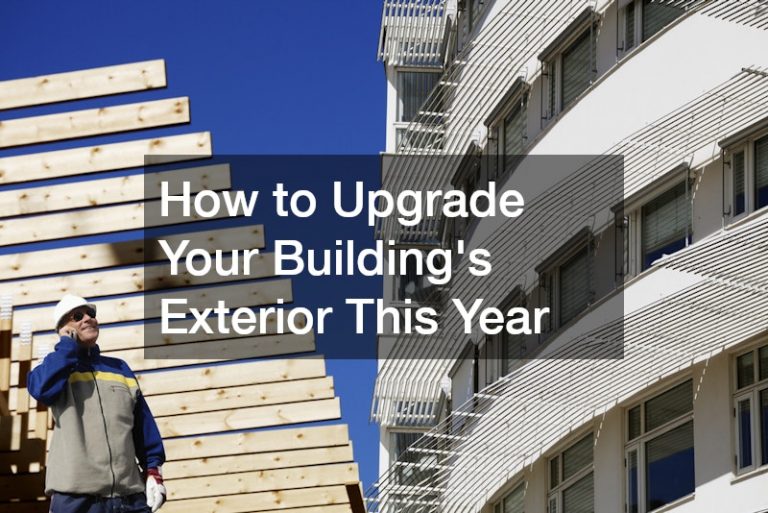
A building’s exterior serves a vital dual purpose: it is simultaneously its primary armor and its most defining first impression. It must relentlessly defend the interior from severe weather, extreme temperature fluctuations, and environmental degradation, all while communicating professionalism, safety, and value to anyone walking through the front doors. Whether you manage a sprawling retail complex, an industrial warehouse, or a multi-tenant residential property, the physical state of your envelope dictates both your operational costs and your market prestige.
When property owners finally decide to allocate capital to upgrade their exteriors, they often fall into a dangerous trap. They focus almost entirely on cosmetic, surface-level fixes—such as a fresh coat of paint, new signage, or updated landscaping—while completely ignoring the deteriorating structural components that are actively bleeding energy and inviting hidden water damage. Knowing exactly where to allocate your budget for true, long-lasting exterior improvements can feel completely overwhelming in a saturated market of contractors and building products.
This comprehensive, step-by-step roadmap is designed to break down exactly how to systematically upgrade your building’s envelope this year. We will bypass the superficial advice and cover how to accurately assess top-level structural integrity, implement advanced water diversion systems, seal invisible thermal leaks with high-efficiency glass, and modernize the facade for maximum return on investment. Strategic exterior upgrades are not just aesthetic improvements; they are highly vital, high-return investments that will slash operational energy costs, prevent catastrophic structural decay, and dramatically increase the long-term asset value of your property.
Assess and Secure the Top-Level Envelope
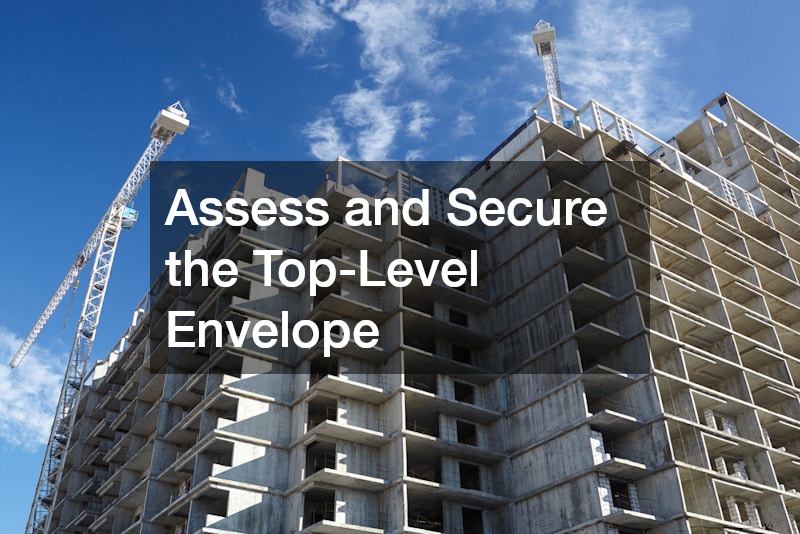
Before you invest a single dollar into ground-level aesthetics or highly visible siding, you must look upward. The top of your building is its most critical shield. If this barrier is compromised, any investments made to the interior or the lower facade will eventually be destroyed by gravity and water intrusion. You must approach this upper envelope with a diagnostic mindset to avoid overpaying for unnecessary demolition while ensuring hidden dangers are fully addressed.
Conduct a Drone-Assisted Thermal Inspection
Historically, diagnosing a compromised top barrier involved a technician blindly walking the surface looking for obvious physical tears, followed by reactive patching. Today, relying on visual inspections alone is a massive operational liability. Water can infiltrate a tiny puncture and travel horizontally for dozens of feet under the membrane, soaking the underlying insulation long before a drip ever appears on your ceiling.
-
Utilize infrared technology: Hire a specialized inspector who utilizes high-resolution thermal imaging drones. These drones fly over the property just after dusk, reading the heat signatures radiating from the structure.
-
Identify saturated insulation: Wet insulation retains heat longer than dry insulation. The thermal camera will physically map out the exact zones where hidden moisture is trapped beneath the membrane, showing up as glowing red or white anomalies on the diagnostic report.
-
Prevent unnecessary tear-offs: This precise data is absolutely critical when negotiating bids with commercial roofing companies so you only pay for what actually needs fixing. Instead of allowing a contractor to over-prescribe a highly expensive, total demolition of the structure, you can mandate surgical removal of only the saturated zones.
Calculate the Return on Investment for Material Upgrades
If your diagnostic tests reveal that the top layer is beyond localized patching and has reached the end of its functional lifecycle, you must view the replacement project as a chance to radically upgrade your energy efficiency, not just a sunk cost to stop a leak.
-
Evaluate high-albedo materials: Compare the lifecycle costs and long-term energy ratings of modern materials like Thermoplastic Polyolefin (TPO), Ethylene Propylene Diene Monomer (EPDM), or standing seam metal, rather than just looking at the initial installation price. White, highly reflective membranes physically bounce UV radiation away from the building.
-
Slash your HVAC load: By reflecting the sun’s energy, these advanced materials radically lower your interior HVAC cooling costs during the blistering summer months, preventing your rooftop air conditioning units from burning out prematurely due to overwork.
-
Recoup the capital: A well-planned local roof replacement using strictly energy-star-rated materials often pays for itself entirely through month-over-month utility savings and municipal green-energy tax rebates over a ten-year operational span.
Schedule Core Sample Testing
You cannot definitively know the structural truth of an aging building without looking below the surface. Before finalizing any major renovation contract, you must demand a physical look at the building’s structural decking.
-
Require the inspector to cut physical core samples—small, cylindrical cross-sections of the entire assembly—to check the true, unvarnished condition of the insulation layers, vapor barriers, and the steel or wood decking hidden below.
-
Analyze the core for severe rust, wood rot, or mold colonization that requires immediate structural remediation.
-
Skipping this critical diagnostic step often leads to massive, budget-destroying “surprise” change orders halfway through a renovation project when rotting, structurally unsafe decking is suddenly uncovered after the tear-off has already begun.
Implement Advanced Weather Defense Systems
Once the core structural integrity of the upper envelope is secured, you must focus on fortifying the highly vulnerable transition zones. An expansive, flat surface rarely fails in the center; it fails at the edges, corners, and joints. Extending the lifespan of your structure requires utilizing modern construction chemistry to build an impenetrable defense against severe weather.
Reinforce Vulnerable Flashing and Penetration Points
The vast majority of top-level water intrusion does not occur because the primary membrane failed. It occurs because the flashing—the metal or rubber transition materials sealing the gaps around protruding objects—has degraded due to thermal expansion and contraction.
-
Audit all protrusions: Mandate a rigorous physical audit of all HVAC curbs, skylight perimeters, plumbing vents, gas lines, and parapet walls. These complex, multi-angled zones are where ninety percent of all structural leaks originate.
-
Avoid temporary band-aids: Understand that a maintenance crew applying standard caulking or generic roofing cement to these joints is only a temporary, reactive bandage, not a long-term structural solution. Caulk will inevitably dry out, crack, and fail within a few seasons of harsh UV exposure.
-
Demand custom fabrication: A proactive roofing service contract should include stripping away all old, cracking sealants and replacing deteriorated flashing with heavy-duty, custom-bent sheet metal or specialized pitch pockets filled with self-leveling, non-shrinking grout to ensure an impenetrable, permanent watertight seal.
Apply Protective Liquid-Applied Coatings
If your top envelope is aging but the underlying insulation is still entirely dry and structurally sound (as proven by your thermal scan and core samples), you do not necessarily need to tear it off. You can dramatically extend its useful life using advanced chemical restorations.
-
Evaluate your eligibility: Assess if your current surface qualifies for a high-solids silicone or acrylic elastomeric coating. These thick, liquid-applied membranes can successfully extend the life of the barrier by ten to fifteen years without requiring a messy, disruptive tear-off that interrupts your tenants’ daily operations.
-
Understand the prerequisites: Detail the rigid prerequisites for applying coatings. The surface must be aggressively power-washed, fully primed, and all seams must be reinforced with specialized polyester fabric tape before the liquid is rolled or sprayed on.
-
Leverage specialized labor: Many elite commercial roofers specialize exclusively in these fluid-applied restorations. The resulting finish provides a highly reflective, monolithic, seamless waterproof barrier while drastically reducing landfill waste and cutting your required labor costs in half compared to a traditional replacement.
Establish a Bi-Annual Maintenance Calendar
The most advanced weather defense system in the world will ultimately fail without routine clearing, inspection, and maintenance. You must transition your property management style from reactive panic to scheduled preservation.
-
Lock in strict spring and fall inspections. Schedule one visit immediately after the autumn leaves fall to clear debris, and one visit in the early spring to check for membrane blistering or ice damage.
-
Clear all primary and secondary scupper drains physically. A clogged drain on a flat structure turns the top of your building into a massive swimming pool, adding thousands of pounds of unintended dead weight that can cause a catastrophic collapse.
-
Maintain highly detailed, timestamped digital logs of all maintenance visits to ensure your manufacturer warranties remain perfectly valid and legally binding.
Optimize Water Diversion and Drainage
Moving water away from the building safely and efficiently is the most crucial aspect of structural preservation. If your drainage systems are undersized, clogged, or improperly pitched, torrential storm runoff will violently spill over the edges, destroying your exterior siding and severely degrading the concrete foundation over time.
Upgrade to High-Capacity Custom Troughs
Standard residential-grade drainage systems are entirely insufficient for commercial or large-scale multi-tenant properties. The sheer square footage of the structure dictates that massive volumes of water will flow toward the edges during a severe storm, requiring heavy-duty infrastructure to manage the load.
-
Calculate your required volume: Have a hydraulic engineer or specialized contractor calculate your building’s total square footage and the specific pitch angle to determine the precise volume of water runoff generated during a peak rain event in your geographic region.
-
Upsize the hardware: Upgrade from standard five-inch residential troughs to heavy-duty six-inch or seven-inch commercial-grade channels specifically designed to handle torrential storm runoff without overflowing.
-
Eliminate weak points: Hiring highly experienced seamless gutter installers ensures that the new channels are custom-extruded from a heavy-gauge aluminum coil directly on-site to exact structural measurements. This process completely eliminates weak, spliced joints where sealant inevitably fails and leaks typically form over time.
Install Commercial-Grade Debris Guards
An upgraded, high-capacity drainage channel is completely useless if it immediately fills to the brim with wet pine needles, autumn leaves, and coarse shingle grit. Once the channel clogs, water backs up under the fascia board, rotting the wood and inviting massive interior water intrusion.
-
Invest in micro-mesh technology: Fit all horizontal drainage channels with heavy-gauge aluminum or surgical-grade stainless steel micro-mesh guards. These advanced covers definitively block fine organic debris while allowing thousands of gallons of water to pull through the mesh via surface tension.
-
Avoid cheap plastic covers: Never use cheap, big-box store plastic guards that will warp under extreme summer heat or shatter when struck by winter ice.
-
Match the guard to the environment: Reputable gutter companies will physically evaluate your surrounding tree canopy to recommend the specific guard profile that works best for your lot, ensuring maximum water flow while successfully deflecting the specific organic debris prevalent on your property.
Direct Downspout Runoff Away from the Foundation
The job of water diversion is not finished once the water reaches the ground. Dumping hundreds of gallons of concentrated rainwater directly at the base of your building is a recipe for severe structural disaster.
-
Understand hydrostatic pressure: When downspouts dump water directly at the foundation line, the soil becomes hyper-saturated. This creates massive hydrostatic pressure that pushes violently against your concrete basement walls, eventually causing them to bow, crack, and leak.
-
Implement underground extensions: Connect all vertical downspouts to underground, heavy-duty corrugated PVC pipes. These subterranean lines should be carefully pitched to discharge the runoff a minimum of ten to fifteen feet away from the building’s base, ideally into a municipal storm drain or a dedicated retention pond.
-
Install pop-up emitters: Terminate the underground lines with pop-up emitters that sit flush with the landscaping, rising only when water pressure forces them open during a storm, keeping your manicured lawns completely free of ugly, tripping-hazard extension pipes.
Enhance Energy Efficiency and Security at Access Points

The fenestrations of your building—the spaces designed for access and light—are inherently the weakest points in your exterior armor. Old, drafty, single-pane access points bleed a massive percentage of your expensive conditioned air into the atmosphere while offering incredibly poor resistance to break-ins. Upgrading these components seals thermal leaks and drastically modernizes the facility.
Audit Thermal Leaks with Blower Door Tests
Before you rip out every frame in the building, you need concrete data on exactly how much air you are losing and exactly where it is escaping. Guessing leads to wasted money.
-
Commission a depressurization test: Hire an energy auditor to perform a professional blower door test. This involves sealing a massive fan into the primary entrance, pulling the air out of the building, and artificially lowering the interior air pressure.
-
Combine with infrared scanning: While the building is depressurized, the auditor will use an interior infrared camera to visually identify exactly where unconditioned outside air is being sucked in around aging frames, worn hinges, and failing weatherstripping.
-
Make data-driven decisions: Subtle drafts account for a massive percentage of a building’s overall energy waste. Identifying these specific, invisible thermal gaps tells you definitively whether you need simple, inexpensive localized caulking or a complete, structural overhaul of your aging windows and doors.
Specify Double or Triple-Pane Low-E Glass
If your fenestrations are outdated, single-pane glass housed in highly conductive aluminum frames, you are essentially throwing money out the window every single month. Modern glazing technology is a marvel of chemical and structural engineering.
-
Demand noble gas fills: Require custom units featuring double or triple-pane glass where the airspace between the panes is filled with dense argon or krypton gas. These noble gases act as a massive, invisible thermal barrier that prevents the transfer of heat and cold.
-
Require Low-E coatings: Ensure the glass is treated with Low-E (low-emissivity) metallic coatings. These microscopic layers aggressively block damaging UV rays, protecting your expensive interior furnishings, carpets, and retail inventory from severe sun fading, while reflecting interior heat back inside during the winter.
-
Focus on the framing: A true premium window installation goes far beyond the high-tech glass itself. It ensures that the framing materials—like specialized pultruded fiberglass, composite vinyl, or thermally broken aluminum—provide maximum structural insulation, zero-maintenance durability, and are installed completely perfectly plumb and square to prevent future operational binding.
Upgrade to High-Security Commercial Hardware
Your access points must protect your assets from unauthorized entry just as fiercely as they protect against the weather. Outdated locks and fragile glass are an open invitation to vandalism and theft.
-
Install multi-point locking mechanisms: Replace standard single-point deadbolts with robust, heavy-duty multi-point locking systems that secure the heavy doors at the top, middle, and bottom simultaneously with a single turn of the key, making them incredibly resistant to forced entry via crowbars.
-
Utilize laminated security glass: On all ground-level and highly accessible entry points, replace standard tempered glass with shatter-resistant, laminated security glass. This material features a tough polymer interlayer that holds the glass firmly together even if it is repeatedly struck with a heavy object.
-
Lower your premiums: Discuss how modernizing your access hardware and reinforcing ground-level glazing not only physically deters break-ins but also signals safety to your insurance provider, frequently resulting in lowered commercial property insurance premiums.
Finalize the Aesthetic and Find the Right Partners

With the top-level envelope secured, the water aggressively managed, and the thermal access points completely sealed, you can finally focus on the visual exterior profile. Modernizing the aesthetic ties all of your structural investments together, boosting curb appeal and signaling to the community that the property is under elite, proactive management.
Modernize the Facade with Architectural Cladding
Stained, rotting, or severely outdated siding dragging down the visual appeal of a structurally sound building is a solvable problem that yields a massive return on investment.
-
Utilize advanced material science: Avoid cheap vinyl and instead use advanced materials like heavy-duty fiber cement siding, sleek architectural metal wall panels, or modern synthetic stucco, known as Exterior Insulation and Finish Systems (EIFS). These materials update the building’s visual profile while adding an extra, highly durable layer of wind and fire resistance.
-
Understand the aesthetic ROI: High-end exterior aesthetics directly impact tenant retention, allow you to command higher lease rates, heavily influence positive customer perception, and ultimately increase the appraisal value of the property.
-
Coordinate the trades: You must carefully and meticulously coordinate this aesthetic facade upgrade with any ongoing local roofing services to ensure the critical transition points—where the new upper roofline physically meets the new siding—are perfectly flashed, seamlessly integrated, and absolutely watertight before the scaffolding comes down.
Verify Contractor Warranties and Workmanship Guarantees
The materials you choose are ultimately only as good as the hands that install them. Upgrading your building’s exterior requires massive capital, and you must legally protect that investment by rigorously vetting the contractors you hire.
-
Demand everything in writing: Never accept a verbal promise. Demand written, legally binding documentation that clearly outlines both the specific manufacturer’s material warranty and the contractor’s distinct workmanship guarantee before signing any agreement or writing a deposit check.
-
Understand the critical difference: Explain the crucial difference between the two to your management board. Highly expensive, fifty-year material warranties are instantly voided by the manufacturer if the installation is done incorrectly, leaving you with no recourse.
-
Prioritize local longevity: Choosing an established, highly rated local roofing company with a proven, multi-decade track record ensures they will actually be around and legally obligated to honor their workmanship guarantee five or ten years down the line if a sudden installation failure or unforeseen leak occurs.
Implement Smart Exterior Lighting
The final step in a total exterior upgrade is ensuring your newly renovated building looks just as impressive and safe at midnight as it does at noon. Outdated, flickering sodium-vapor lights look terrible and cost a fortune to operate.
-
Switch to architectural LED fixtures: Install high-lumen, dusk-to-dawn LED architectural wash fixtures and motion-sensor floodlights. These units consume a fraction of the electricity of traditional bulbs while providing brilliant, true-color illumination.
-
Highlight the upgrades: Use directional up-lighting to dramatically highlight new architectural features, textured cladding, and manicured landscaping, transforming the building’s nighttime presence.
-
Enhance security and safety: Strategic lighting upgrades provide the highest visual ROI of any minor upgrade. By eliminating dark corners and aggressively illuminating transit areas and parking perimeters, you drastically improve physical safety for late-night employees and actively deter vandalism and loitering.
Conclusion
A successful building upgrade requires intense discipline and a refusal to be distracted by purely aesthetic, surface-level fixes. Approaching your property with a systematic, top-down strategy guarantees that your capital is deployed efficiently and effectively. True exterior upgrades require rigorously securing the top-level envelope against hidden decay, managing aggressive storm water runoff efficiently to protect the foundation, sealing the structural envelope with high-efficiency glass to stop thermal bleeding, and carefully modernizing the facade to tie the entire, modernized aesthetic together.
Purely cosmetic changes mean absolutely nothing if the underlying structure is rotting from chronic water intrusion or constantly bleeding expensive HVAC energy into the atmosphere. Paint cannot fix a failing membrane, and new landscaping cannot hide a bowing foundation wall. Executing methodical, high-quality physical upgrades using advanced building science protects the building’s structural core while simultaneously elevating its market prestige, maximizing tenant comfort, and slashing daily operational energy costs.
Do not wait for a catastrophic weather event to force your hand. Prioritize your specific building vulnerabilities today. Start the upgrade process by scheduling a professional, comprehensive envelope audit and thermal scan this week. Armed with concrete data, begin rigorously vetting specialized, licensed contractors to tackle your highest-priority vulnerabilities before the next severe weather season arrives, ensuring your property remains an impregnable, highly valuable asset for decades to come.