The Food Business

Essential Steps for Starting a Restaurant With No Money to Waste

Introduction Starting a restaurant with no money to waste requires careful planning, strategic decisions, and a creative approach to resource management. Every detail, from the aesthetics of the space to the functionality of its systems, plays a critical role in ensuring success without overspending. While it’s easy to feel overwhelmed by the sheer number of

Essential Steps for Starting a Restaurant With No Money to Waste Read More »

Vlogger

Getting Your Food Business Started Without Breaking the Bank

Starting small, gradually expanding, and testing the market can prevent costly mistakes in food businesses. Social media marketing, with visually appealing content and influencer collaborations, can boost brand visibility cost-effectively. Sourcing from local suppliers and renting commercial kitchens or mobile bar trailers can significantly reduce overhead costs. Online platforms offer valuable resources for marketing, financing,

Getting Your Food Business Started Without Breaking the Bank Read More »

chef in a kitchen smelling the soup

Crafting Culinary Excellence: Establishing Your Food Business Identity

Culinary identity leverages unique flavors and presentation to distinguish your food business and build customer loyalty. Signature dishes showcase culinary innovation, enhancing customer engagement and differentiating your brand in the competitive food industry. Plating techniques, vibrant color contrasts, and edible decor are pivotal in creating visually appealing and memorable dishes. Compelling logos and branding elements

Crafting Culinary Excellence: Establishing Your Food Business Identity Read More »

female chef or seller cooking

Essential Food Safety Practices: A Guide for Business Owners

Food safety entails proper storage, handling, cooking, and temperature maintenance, keeping harmful bacteria at bay. Hygiene is crucial, with regular cleaning of utensils and surfaces and employee training for effective sanitization practices. Ensuring water safety involves evaluation of sources, implementing treatment methods, and safe usage for cooking and cleaning. Regular employee training on foodborne illnesses,

Essential Food Safety Practices: A Guide for Business Owners Read More »

Signs That Your Restaurant is Negatively Impacting The Environment

Restaurants contribute significantly to environmental issues through single-use plastics, waste generation, and high energy and water consumption. Eco-friendly alternatives include biodegradable plastics, composting, recycling, and donating food to curb waste. Restaurants can reduce their environmental impact by utilizing renewable energy sources and managing water usage efficiently. Chemical usage in restaurants can be harmful; switching to

Signs That Your Restaurant is Negatively Impacting The Environment Read More »

Workers

Managing Your Inventory – Tips for Small Business Owners

Implement an inventory management system to track stock levels in real time. You can also use inventory tracking software. Set up regular inventory audits to keep track of item count and product turnover. Classify your inventory into different categories for easier management. Use categories such as high-selling items, seasonal items, and slow-moving items. Optimize your

Managing Your Inventory – Tips for Small Business Owners Read More »

restaurant owner wearing apron and holding tablet in the entrance

How To Design & Decorate Your Restaurant To Suit Your Concept

Stay true to the concept and use locally sourced materials for an authentic atmosphere. Simple touches, such as lighting and uniform linens, can create a great atmosphere. Add art and decor to highlight the personality of your restaurant. Hygiene is essential: implement daily cleaning routines, no-touch drop trays, and regular deep cleanings. Opening a restaurant

How To Design & Decorate Your Restaurant To Suit Your Concept Read More »

Commercial Kitchens

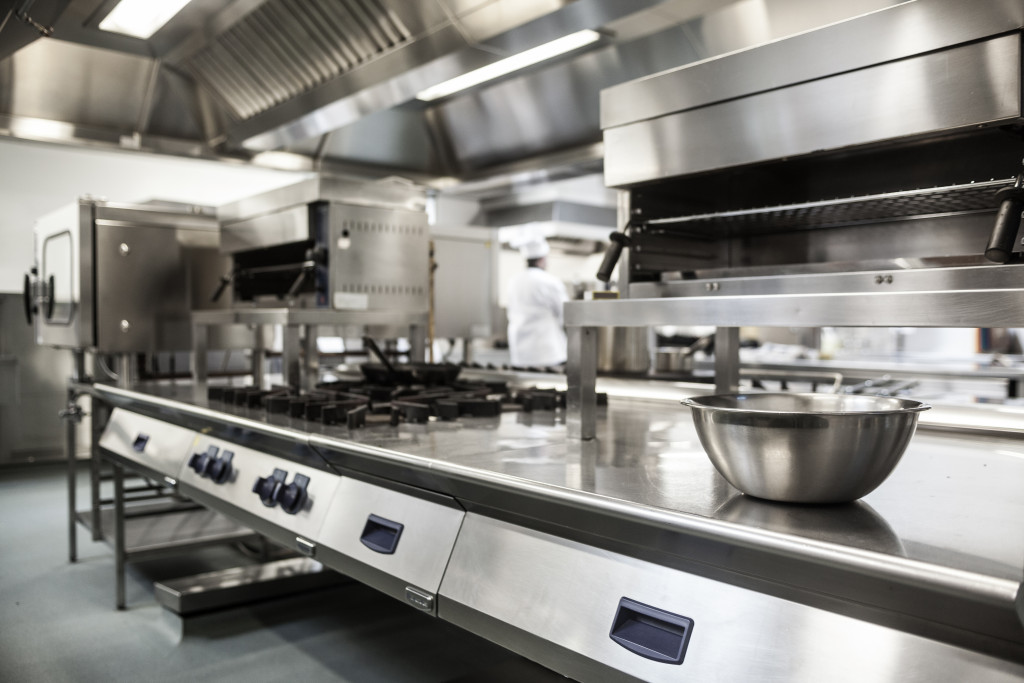
Cutting Costs and Increasing Profitability in Commercial Kitchens

Consider investing in energy-efficient appliances and equipment to decrease the energy you use and cut down on utility costs. Improve efficiency and reduce costs in the kitchen by streamlining operations. Track the amount and quality of food waste, identify the reasons for waste, and reduce expenses. To help the chef and save resources, we request

Cutting Costs and Increasing Profitability in Commercial Kitchens Read More »

Restaurant staff with high retention

Keeping Staff Satisfied for Your High-End Restaurant

Ensure proper payment and financial incentives to keep staff motivated and satisfied. Offer training programs and encourage professional development to provide growth opportunities. Recognize individual achievements to reward performance and boost morale. Support employees in building their network and pursuing their passions. Provide flexible working hours or remote working opportunities to allow exploration. Keeping staff

Keeping Staff Satisfied for Your High-End Restaurant Read More »

Scroll to Top