
The Crucial Role of Rental Insurance
Rental insurance serves as a vital safety net for both landlords and tenants. For landlords, it offers peace of mind by protecting against potential damage to the property. Accidents happen, and without insurance, the financial burden falls squarely on the property owner. On the other hand, tenants benefit from coverage of personal belongings and liability, should an incident arise within the rented space. Short term rental insurance is especially useful in this context, where the turnover of tenants is frequent.
Statistics indicate that a significant number of renters mistakenly believe their landlord’s insurance will cover personal property in case of an emergency. Unfortunately, this is a misconception that can lead to devastating financial losses. Rental insurance ensures tenants won’t be left in a lurch, replacing belongings in the event of theft, fire, or water damage. Furthermore, short term rental insurance accommodates the unique needs of those with brief lease agreements, providing tailored protection that aligns with the varied risks involved.
Given the prevalence of renters and the growing popularity of short term leases, there is an increasing awareness of the advantages rental insurance offers. More property owners consider it mandatory to work it into the rental agreement or strongly advise it to their tenants. This trend reflects a broader understanding of its importance, encouraging both parties to utilize rental insurance as a shared safeguard. The availability of short term rental insurance provides flexible and adaptive options for tenants, ensuring coverage for the time they actually occupy the space.
Types of Coverage and Their Benefits
Rental insurance is not a one-size-fits-all policy. Various types of coverage exist to address different aspects of rental living. Personal property coverage is one of the most common forms, safeguarding possessions from theft or damage. Liability coverage protects tenants in the event of accidental injury occurring to others while on the property. For landlords, property damage coverage under short term rental insurance ensures that structural damages due to tenant activities or natural events are addressed without crippling financial impact.
There is also loss of use coverage, which offers tenants a lifeline if their rental property becomes uninhabitable due to a covered event. This coverage helps with temporary housing expenses, easing the transition as tenants navigate relocation. In the context of short term rental insurance, this proves invaluable due to the unpredictable nature of short-term stays and their associated risks. By selecting the right mix of coverage types, both landlords and tenants can optimize their protection, mitigating the effects of unforeseen situations.
Insurance companies now offer customizable policies to suit the specifics of rental agreements. This customization extends to options like coverage for high-value items or protection against natural disasters, pertinent for properties located in areas prone to such events. The comprehensive nature of short term rental insurance allows it to address a wider array of scenarios, prompting many to choose it as a sensible addition to their rental strategy. Understanding and utilizing these various coverage options can substantially safeguard both financial and personal well-being in times of need.
Real-World Implications and Necessity
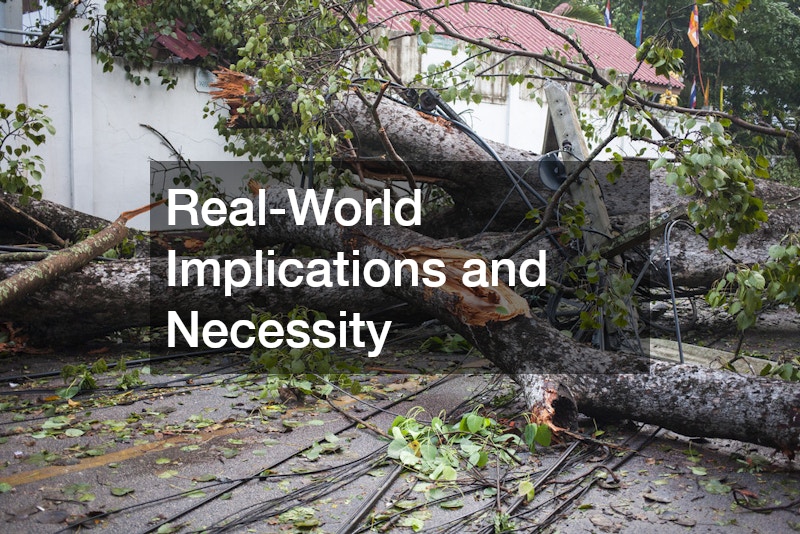
In recent years, real-world events have underscored the necessity for rental insurance, particularly in regions susceptible to climate-induced challenges. For example, tenants in hurricane-prone areas face amplified risks of property damage. Here, rental insurance becomes crucial, covering costs that could quickly escalate without recourse. Even in less disaster-prone areas, unexpected accidents within a rental property can result in significant expenses that rental insurance can help alleviate. Notably, short term rental insurance helps bridge the gap, ensuring that limited-duration leases are not left vulnerable to these situations.
As rental markets evolve, the role of insurance continues to adapt to new trends and challenges. The rise of temporary and vacation rentals has made it clear that flexible, short-term coverage is essential for these arrangements. With more people seeking flexible living options, integrating short term rental insurance into the standard rental package becomes a wise choice. It not only safeguards financial interests but also promotes tenant well-being, fostering a more secure and stable rental environment. In choosing coverage, both tenants and landlords arm themselves against uncertain futures, paving the way for safer renting experiences.
Rental insurance is a critical component of any rental agreement, offering protection that can avert significant financial and personal hardship. By understanding its role and the types of coverage available, tenants and landlords alike can enhance their security. In particular, short term rental insurance provides adaptable, tailored solutions to meet the unique needs of temporary rental arrangements. As we navigate an ever-changing rental landscape, the value of having robust insurance becomes ever more apparent, ensuring lasting peace of mind and protection for all parties involved.