Owning a home involves much more than decorating interiors or completing occasional upgrades. Long-term property value depends heavily on consistent maintenance, especially when it comes to the exterior of the home. Small issues that go unnoticed can gradually turn into major structural problems, reducing curb appeal, increasing repair costs, and lowering resale potential.
Many homeowners focus only on visible cosmetic improvements, but buyers and inspectors often pay closer attention to the condition of roofing systems, drainage systems, siding, and exterior cleanliness. Maintaining these areas helps preserve the integrity of the property while also improving energy efficiency and protecting against weather damage.
Preventive maintenance is almost always more affordable than emergency repairs. By investing in routine upkeep and professional inspections, homeowners can avoid expensive surprises and keep their property attractive and functional for years to come.
Preventing Exterior Damage Before It Escalates
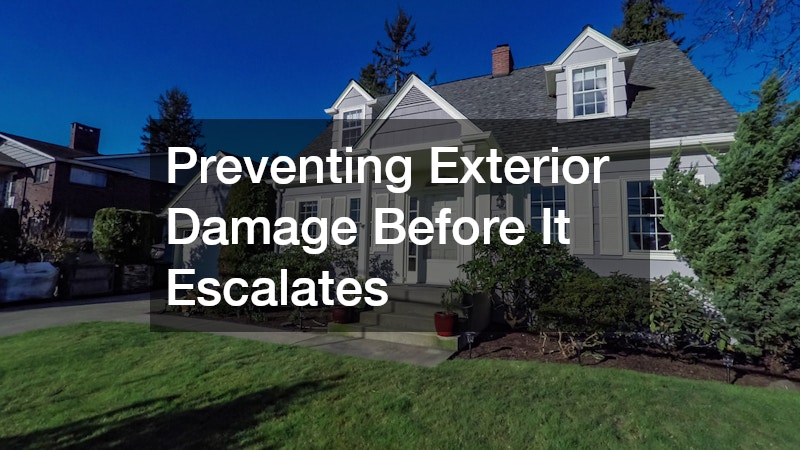
The exterior of a home is constantly exposed to weather, moisture, dirt, pollen, mold, algae, and airborne contaminants. Over time, these elements gradually wear down surfaces and contribute to deterioration if they are not addressed properly.
One of the most effective preventive maintenance solutions is regular house washing. Removing built-up debris helps preserve exterior finishes and prevents long-term staining or moisture damage. Many homeowners underestimate how quickly algae and mildew can spread on siding, roofing materials, patios, and walkways.
Professional power washing can also help maintain driveways, decks, fences, and exterior walls. Unlike simple rinsing with a garden hose, professional equipment removes deeply embedded dirt and organic buildup that may contribute to material breakdown.
Common signs that exterior cleaning is overdue include:
- Green or black streaks on siding
- Mold growth near gutters
- Discoloration on concrete surfaces
- Slippery walkways
- Dirt accumulation under rooflines
- Stained patios or decks
- Oxidation on painted surfaces
Routine cleaning helps homeowners:
- Improve curb appeal
- Prevent premature aging of materials
- Reduce mold and mildew growth
- Preserve paint and finishes
- Maintain healthier outdoor environments
- Protect long-term resale value
Exterior cleaning also gives homeowners the opportunity to spot hidden maintenance concerns before they worsen. Cracks, water intrusion, peeling paint, or deteriorating seals often become more visible after surfaces are cleaned.
Rather than waiting for major problems to appear, homeowners should view preventive exterior maintenance as part of an ongoing property protection plan.
Protecting Roofing Systems From Costly Repairs
The roof is one of the most important structural components of any home. Unfortunately, many homeowners neglect roof care until a leak or visible damage appears. By that point, underlying issues may already have caused expensive water damage inside the home.
Routine roof maintenance and repair can dramatically extend the lifespan of roofing materials and help homeowners avoid premature replacement costs. Small problems like cracked shingles, loose flashing, or clogged roof valleys can quickly escalate if ignored.
Hiring a qualified local roofer for periodic inspections is one of the smartest long-term investments homeowners can make. Professional inspections often identify hidden vulnerabilities that may not be visible from the ground.
Some common causes of roof deterioration include:
- Wind damage
- Hail impact
- Moisture intrusion
- Poor attic ventilation
- Clogged gutters
- UV exposure
- Flashing failure
- Ice dams in colder climates
Warning signs that roofing attention may be needed include:
- Water stains on ceilings
- Missing shingles
- Granule loss
- Sagging roof sections
- Moss or algae growth
- Higher energy bills
- Dripping during storms
Preventive roof care should include:
- Annual inspections
- Prompt leak repairs
- Gutter cleaning
- Trimming overhanging branches
- Removing roof debris
- Monitoring attic ventilation
- Checking flashing around chimneys and vents
Many homeowners delay roofing maintenance because visible damage appears minor. However, even small leaks can lead to mold growth, insulation damage, wood rot, and interior structural problems over time.
Consistent roofing maintenance protects not only the roof itself but also the overall value and stability of the property.
Improving Curb Appeal Through Durable Exterior Materials
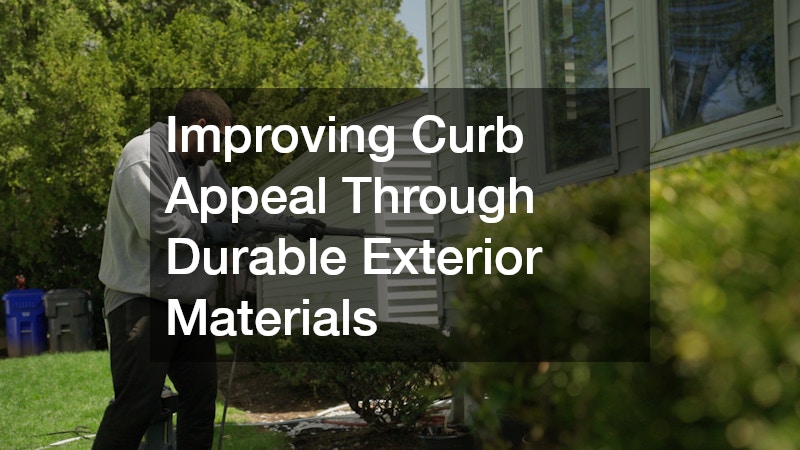
The condition of a home’s exterior plays a major role in both property value and buyer perception. Well-maintained materials signal that the property has been cared for properly, while worn or damaged exteriors often raise concerns about hidden maintenance problems.
Modern residential siding serves both aesthetic and functional purposes. Quality siding protects against moisture intrusion, improves insulation, and contributes significantly to curb appeal. Over time, however, siding may fade, crack, warp, or loosen due to weather exposure.
Homeowners should periodically inspect siding for:
- Cracks or holes
- Warping
- Bubbling paint
- Loose panels
- Water stains
- Mold growth
- Pest damage
Different siding materials require different levels of maintenance:
Vinyl siding:
- Low maintenance
- Resistant to rot
- Requires periodic cleaning
Fiber cement siding:
- Highly durable
- Resistant to insects and fire
- May require repainting over time
Wood siding:
- Natural appearance
- Requires regular sealing or painting
- Vulnerable to moisture damage
Engineered wood siding:
- Improved moisture resistance
- Lower maintenance than natural wood
- Durable against weather conditions
Homeowners planning larger exterior upgrades often work with the best roofing company in their area to coordinate roofing and siding improvements together. Matching exterior systems can improve both visual consistency and weather protection.
Exterior upgrades are especially valuable because they influence first impressions immediately. Potential buyers often make assumptions about overall property condition based on exterior appearance alone.
Investing in durable materials and consistent maintenance helps preserve long-term value while reducing future repair needs.
Managing Water Drainage More Effectively
Water management is one of the most overlooked aspects of home maintenance. Poor drainage can silently damage foundations, landscaping, siding, and roofing systems for years before obvious signs appear.
Modern gutter systems play a critical role in directing rainwater safely away from the home. Without effective drainage, water may pool near the foundation, seep into basements, or contribute to soil erosion.
Many homeowners are upgrading to gutter guard installation systems to reduce debris accumulation and minimize maintenance requirements. Gutter guards help prevent leaves, sticks, and debris from clogging drainage channels while allowing water to flow more efficiently.
Another increasingly popular upgrade is seamless gutter installation. Unlike sectional gutters, seamless systems reduce the number of joints where leaks commonly develop.
Benefits of improved drainage systems include:
- Reduced foundation stress
- Lower risk of basement flooding
- Less soil erosion
- Improved roof protection
- Reduced mold and mildew growth
- Fewer pest problems
- Longer gutter lifespan
Homeowners should also monitor for signs of drainage failure, including:
- Overflowing gutters
- Standing water near the foundation
- Soil erosion
- Peeling exterior paint
- Water stains on siding
- Sagging gutters
- Mold growth near rooflines
Proper drainage maintenance protects nearly every major structural component of the home. Ignoring these systems can eventually result in extensive repair costs that significantly reduce property value.
Recognizing When Drainage Systems Need Replacement
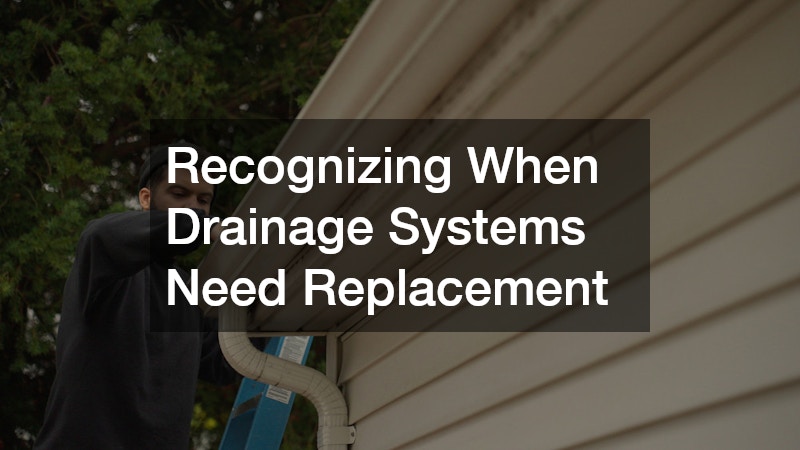
Even well-maintained gutter systems eventually wear out. Age, corrosion, storm damage, and improper installation can all reduce gutter performance over time.
Working with a trusted local gutter company helps homeowners determine whether repairs are sufficient or whether replacement is the better long-term solution. Professional evaluations can identify hidden drainage issues that may not be obvious during casual inspections.
Common signs gutters may need replacement include:
- Frequent clogs
- Visible rust
- Cracks or holes
- Pulling away from the roofline
- Water is pooling near the foundation
- Sagging sections
- Peeling paint around gutters
- Water damage on fascia boards
Delaying gutter replacement often creates additional problems elsewhere on the property. Water overflow can damage landscaping, weaken foundations, stain siding, and contribute to roof deterioration.
Professional gutter replacement may improve:
- Water flow efficiency
- Structural protection
- Exterior appearance
- Long-term maintenance costs
- Property resale value
Homeowners should also avoid assuming that minor leaks are harmless. Small drainage failures often worsen gradually, especially during heavy storms or seasonal weather changes.
Routine inspections help ensure that drainage systems continue functioning properly throughout the year.
Building a Seasonal Maintenance Routine
Consistent seasonal maintenance is one of the most effective ways to preserve long-term property value. Rather than reacting to emergencies, proactive homeowners create yearly schedules that address potential issues before they become serious.
Seasonal maintenance tasks help reduce wear caused by changing temperatures, storms, humidity, and debris accumulation.
Spring maintenance priorities often include:
- Inspecting roofing materials
- Cleaning gutters
- Examining siding for winter damage
- Checking for moisture intrusion
- Scheduling house washing services
- Cleaning outdoor surfaces
Summer is ideal for:
- Exterior painting
- Deck maintenance
- Landscaping improvements
- Inspecting attic ventilation
- Monitoring for storm damage
Fall maintenance should focus on:
- Removing leaves from gutters
- Preparing drainage systems for winter
- Inspecting flashing and roof seals
- Trimming nearby tree branches
Winter maintenance often includes:
- Monitoring ice buildup
- Checking for interior leaks
- Inspecting insulation performance
- Watching for drafts or moisture issues
Regular roof maintenance and repair should remain part of every seasonal checklist. Small roofing problems are often easier and less expensive to address before severe weather arrives.
Homeowners who maintain organized inspection schedules are far more likely to catch problems early and avoid expensive emergency repairs later.
Improving Energy Efficiency Through Exterior Care
Exterior maintenance directly impacts energy efficiency. Small gaps, leaks, or damaged materials can force heating and cooling systems to work harder, increasing monthly utility costs.
Well-maintained residential siding helps improve insulation performance and reduce unwanted air transfer. Damaged siding, however, may allow moisture intrusion and energy loss that gradually increase household expenses.
Similarly, seamless gutter installation helps protect insulation and roofing systems from water damage that can compromise energy efficiency.
Exterior improvements that commonly support energy savings include:
- Replacing damaged siding
- Sealing exterior gaps
- Improving attic ventilation
- Repairing roof leaks
- Upgrading insulation
- Improving drainage systems
- Maintaining clean exterior surfaces
Signs that exterior systems may be affecting energy performance include:
- Rising utility bills
- Drafty interior rooms
- Uneven indoor temperatures
- Excess humidity
- Moisture stains
- Increased HVAC strain
Energy-efficient homes are increasingly attractive to buyers, especially as utility costs continue rising. Buyers often view well-maintained exterior systems as indicators of responsible ownership and reduced future maintenance expenses.
Long-term maintenance investments not only protect structural integrity but also improve day-to-day living comfort and operational efficiency.
Avoiding Maintenance Mistakes That Reduce Property Value
Some homeowners unintentionally reduce their property value by delaying maintenance or hiring unqualified contractors for important projects.
Choosing experienced professionals matters, especially for roofing and drainage systems that directly affect structural protection. A skilled local roofer can identify underlying problems that less experienced contractors might overlook.
Similarly, a reputable local gutter company can ensure proper drainage design and installation that protects the property for years to come.
Common maintenance mistakes include:
- Ignoring small leaks
- Skipping inspections
- Using low-quality materials
- Delaying repairs too long
- Attempting unsafe DIY roofing work
- Neglecting drainage systems
- Failing to clean exterior surfaces regularly
- Hiring uninsured contractors
Another common issue is inconsistent maintenance documentation. Buyers often feel more confident purchasing homes with clear records showing regular inspections, repairs, and upkeep.
Homeowners should keep records of:
- Roof inspections
- Exterior cleaning services
- Drainage upgrades
- Siding repairs
- Contractor warranties
- Seasonal maintenance tasks
Preventive maintenance demonstrates pride of ownership and helps protect long-term market value.
Prioritizing the Most Valuable Maintenance Investments
Not all home maintenance projects offer the same return on investment. Homeowners should prioritize improvements that protect structural integrity, improve efficiency, and maintain curb appeal simultaneously.
Working with the best roofing company available can provide significant long-term value because roofing systems influence nearly every aspect of home protection. High-quality roofing materials and proper installation help reduce future maintenance costs while improving buyer confidence.
Likewise, timely gutter replacement can prevent thousands of dollars in future foundation, siding, and landscaping damage.
Some of the highest-value maintenance investments include:
- Roofing inspections and repairs
- Drainage system upgrades
- Exterior cleaning
- Siding maintenance
- Moisture prevention
- Energy-efficiency improvements
- Preventive inspections
Homeowners preparing to sell within the next few years should especially focus on:
- Exterior appearance
- Roof condition
- Drainage functionality
- Structural maintenance
- Energy efficiency
- Water damage prevention
Minor cosmetic improvements may attract attention initially, but structural maintenance often has a much greater impact on inspection outcomes and final sale prices.
The best long-term strategy is balancing visible curb appeal improvements with behind-the-scenes maintenance that protects the property’s core systems.
Conclusion
Long-term property value depends heavily on consistent exterior maintenance and proactive care. Roofing systems, siding, drainage systems, and exterior surfaces all work together to protect the home from weather damage, moisture intrusion, and structural deterioration.
Homeowners who invest in preventive maintenance often avoid expensive emergency repairs while preserving curb appeal, improving energy efficiency, and increasing buyer confidence. Small maintenance tasks performed consistently over time can have a major impact on the overall condition and value of a property.
By creating a regular maintenance schedule, hiring qualified professionals, and addressing issues early, homeowners can protect their investment and enjoy a safer, more attractive home for many years to come.