
The moments directly following a sudden, unexpected workplace accident are a swirling vortex of chaos, shock, and intense adrenaline. Whether you have suffered a severe slip and fall on a slick warehouse floor, a structural impact on a busy construction site, or a sudden crush injury from malfunctioning machinery, your body’s immediate survival instinct takes total control. Adrenaline floods your bloodstream, which can dangerously mask intense physical pain and cloud your analytical judgment. Unfortunately, mistakes made in these critical first few hours can permanently derail your physical recovery, void your medical coverage, and inadvertently forfeit your essential employment protections.
Managing a workplace incident requires a disciplined, two-pronged strategy that synchronizes immediate medical diagnostics with comprehensive legal documentation. You cannot afford to treat a workplace mishap as a minor event to be dealt with after your shift ends. Every action you take—or fail to take—creates an immediate, permanent paper trail that will dictate your future financial stability and medical options. This guide provides an authoritative, step-by-step emergency roadmap to help you navigate the complex terrain of post-accident protocols, ensuring your health is prioritized and your legal rights remain fiercely protected from the very fraction of a second an accident occurs.
1. Prioritizing Immediate Medical Stabilization and Diagnostics
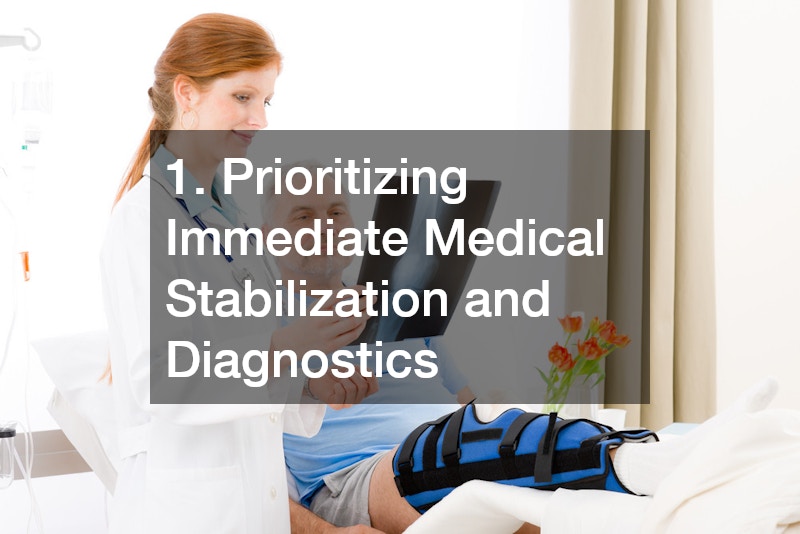
When an unexpected injury strikes on the job, your absolute primary directive must be seeking a professional medical evaluation without a single moment of delay. Far too many dedicated workers make the catastrophic error of trying to push through the pain, convincing themselves that they can rest over the weekend or see if the discomfort fades on its own. This stoic mindset is a dangerous gamble that carries severe medical and legal risks.
From a physiological standpoint, internal injuries, deep soft-tissue tears, severe concussions, and hairline fractures often feature a delayed onset of symptoms. Once the protective fog of shock and adrenaline wears off several hours later, a seemingly minor ache can rapidly mutate into an agonizing, debilitating crisis. From a legal standpoint, delaying your initial medical evaluation provides corporate insurance adjusters with the perfect excuse to claim that your injury did not actually occur at work, or that an intervening weekend event was the true cause of your physical trauma.
To protect your health and your future claims, you must navigate your immediate medical options with precision:
- Utilize Dedicated Walk-In Clinics: For non-life-threatening yet serious injuries, bypassing the long waits of a traditional hospital emergency department by routing directly to a certified local urgent care center ensures you receive swift diagnostic imaging, baseline X-rays, and immediate stabilization.
- Establish a Direct Work Connection: The moment you speak to the triage nurse or admitting physician, you must explicitly state that your injuries occurred while you were actively performing your employment duties.
- Demand Total Diagnostic Documentation: Ensure the treating medical team notes every single point of bodily discomfort, no matter how minor it seems at the time, as this primary intake chart forms the baseline evidence for any future physical trauma claim.
Leaving the medical facility with a formal, written diagnostic summary guarantees that you have legally established the structural link between your employment activities and your physical trauma, effectively blocking the insurance company’s ability to minimize your condition.
2. Navigating Formal Employer Notification and Evidence Gathering
Once your physical condition is fully stabilized by medical professionals, you must instantly pivot to establishing your workplace paper trail and preserving the physical evidence at the scene of the incident. Every state maintains strict, unyielding statutory deadlines regarding how quickly an injured employee must formally notify their management team about an accident. Failing to file an official report within these tight windows can result in a total forfeiture of your administrative protections and financial relief.
Reporting the incident is not a casual conversation with a friendly coworker; it is a formal administrative process. You must request an official company incident report form and fill it out using objective, factual, and clear language. Describe exactly what happened without using ambiguous phrases, speculating on mechanical issues you don’t understand, or accepting any unwarranted blame for the event. Keep your description concise, factual, and strictly focused on the environmental conditions that caused the trauma.
While the incident is still fresh and before the site is altered or cleaned up by management, you must actively gather perishable evidence if your injuries physically allow it:
- Capture Date-Stamped Photography: Use your smartphone to take high-resolution, clear photographs of the exact area where the accident occurred, making sure to document faulty machinery, missing safety guards, blocked walkways, or slick surfaces.
- Secure Independent Witness Contacts: Gather the full names, personal phone numbers, and baseline written statements of any coworkers, contractors, or bystanders who personally witnessed the sequence of events.
- Retain Your Physical Clothing: Store the shoes and clothing you were wearing during the accident in a secure bag without washing them, as they may hold vital evidence like chemical residues or grease patches that prove facility neglect.
This active gathering phase is a vital prerequisite under modern work injury law frameworks. By building an undeniable, physical portfolio of evidence immediately, you provide a highly qualified personal injury lawyer with the bulletproof raw data they need to aggressively build your file, protect your employment status, and prevent the corporate entities from altering the scene to hide systemic safety failures.
3. Securing Specialized Outpatient Rehabilitation and Physical Recovery
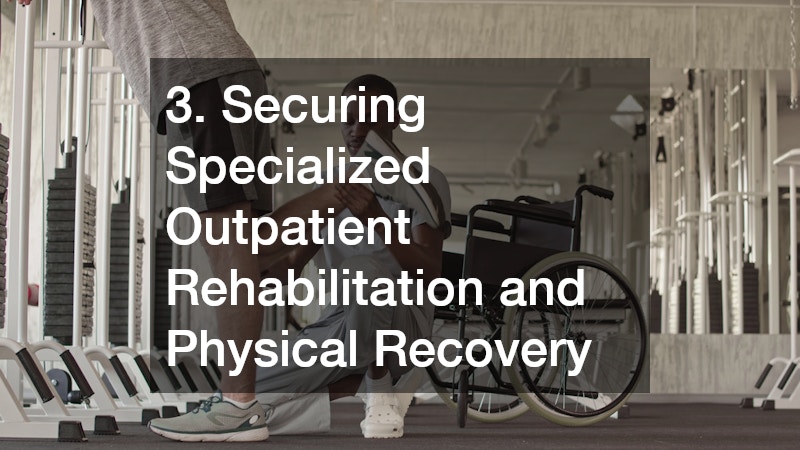
True physical recovery is a continuous marathon, not a single sprint. Leaving the urgent care clinic with a temporary splint, a prescription for anti-inflammatory medication, and a mandate to rest is merely the opening chapter of your healing journey. Real physiological rehabilitation requires a deep commitment to an uninterrupted, professional continuum of care engineered to rebuild your mobility, prevent the accumulation of restrictive scar tissue, and restore your baseline strength.
A major pitfall for injured workers is the temptation to skip follow-up physical medicine appointments the moment they start feeling slightly better. This is a massive mistake that can completely ruin both your physical health and your financial claim. Insurance company adjusters actively monitor your medical compliance records. If they discover a single missed appointment or a gap in your treatment schedule, they will instantly argue that your injuries have fully healed or that you are fabricating the severity of your physical limitations, using it as leverage to permanently terminate your medical funding.
To navigate this intensive recovery phase successfully, you must actively integrate specialized rehabilitation experts into your weekly schedule:
- Enlist a Mobility Specialist: Partnering with a licensed physical therapist allows you to receive a highly customized, progressive tissue-loading protocol tailored specifically to your unique structural trauma.
- Document Functional Limitations: During every single session of your ongoing physical therapy, ensure the clinician meticulously logs your exact range-of-motion metrics, pain scales, and strength deficits, as these clinical charts serve as vital, data-driven legal evidence of your physical damages.
- Commit to Home Compliance: Rigorously follow the low-impact movement and stretching guidelines prescribed by your care team to optimize your physiological recovery window.
Maintaining this flawless, unbroken chain of clinical documentation proves to the courts and the insurance providers that you are actively fighting to recover while creating an undeniable, expert-certified record of the true depth and longevity of your physical trauma.
4. Retaining Certified Legal Advocacy for Insurance Negotiations

It is a harsh but necessary reality of the corporate world to acknowledge that your employer’s insurance company is not your advocate. Insurance providers are profit-driven corporate machines whose primary operational goal is to settle your claim as quickly, quietly, and cheaply as possible. The moment an accident is reported, an aggressive insurance adjuster will likely contact you, presenting a warm, empathetic demeanor while attempting to coax you into a recorded statement or asking you to sign early settlement releases.
Engaging with these adjusters without a professional personal injury lawyer is dangerous. They are highly trained to use friendly conversations to trap you into admissions that minimize your pain or shift the blame of the accident onto your own shoulders. Furthermore, signing an early, lowball settlement offer permanently closes your case, leaving you completely stranded if you discover down the road that you require an expensive spinal surgery or a lifetime of specialized medical care.
To shield yourself from these predatory corporate tactics, you must instantly transition all external communication to an established, aggressive personal injury law firm. Partnering with a highly rated local personal injury attorney provides an immediate, ironclad barrier between you and the insurance network. Your legal counsel will take over every single phone call, handle the complex filing requirements, and use advanced economic forecasting models to accurately calculate the true, lifetime value of your claim—accounting for your future medical needs, lost wage capacity, and emotional pain and suffering—allowing you to focus entirely on your physical recovery.
5. Coordinating Long-Term Wage Replacement and Appeals

When a severe workplace accident results in a catastrophic injury, the economic impact extends far past immediate medical bills. If your physical trauma prevents you from returning to your job for months, years, or the remainder of your natural working life, the sudden loss of a steady paycheck can rapidly plunge your household into a devastating financial crisis, threatening your ability to pay mortgage notes and feed your family.
Navigating the complex, overlapping network of state-mandated wage replacement and federal safety nets is an incredibly bureaucratic maze filled with tight filing deadlines and a high rate of initial application denials. Temporary disability payouts through your employer’s mandatory insurance policies are often strictly capped and heavily delayed by administrative red tape. If your injury results in a long-term or permanent impairment that prevents you from ever engaging in gainful employment again, you must prepare to transition your financial survival strategy to broader institutional safety nets.
Managing this highly technical transition requires the coordinated strategic field execution of separate, specialized legal teams:
- Maximizing Ongoing State Benefits: Working closely alongside credentialed workers’ comp attorneys ensures that your weekly temporary income checks are calculated accurately, your light-duty return-to-work mandates are medically valid, and any portfolio terminations are instantly appealed in front of state labor boards.
- Securing Permanent Federal Protection: If your medical team confirms that your physical trauma has caused a lifetime impairment, enlisting the support of a seasoned social security disability attorney is essential to aggressively guide your file through the multi-year federal application, administrative hearings, and judicial appeal processes required to secure your permanent federal disability allocations.
By combining the niche strengths of regional employment advocates with federal benefit experts, you effectively construct a bulletproof financial safety net around your household, guaranteeing you receive every single dollar of short-term leverage and long-term security you are legally owed. This strategic partnership not only enhances your financial resilience but also empowers you with the knowledge and resources to navigate complex benefit systems.
In a rapidly changing economic landscape, having a team that understands the intricacies of employment law and government aid can make all the difference in securing your family’s future. With this support, you can face uncertainties with confidence, knowing that you are maximizing the benefits available to you.
Conclusion
The chaotic minutes and hours that immediately follow an unexpected workplace accident are a profound crossroad that will permanently dictate your physical health and your financial future. It is a high-stakes scenario where you cannot afford to act passively or rely on the empty promises of a corporate supervisor. Protecting your life and your family demands that you step forward as an aggressive, informed, and completely proactive advocate for your own well-being.
By prioritizing an immediate medical evaluation at a dedicated clinical facility, creating an unyielding paper trail through objective incident reports, committing to an unbroken continuum of professional physical rehabilitation, and instantly turning over your file to an experienced legal advocate, you fully insulate yourself from corporate liabilities. True recovery is the direct result of deliberate preparation and unyielding execution. When you take the necessary steps to secure your medical evidence, fortify your home environment, and deploy elite legal representation, you ensure that your focus remains entirely on what matters most—healing your body, reclaiming your strength, and proudly securing your financial future for decades to come.