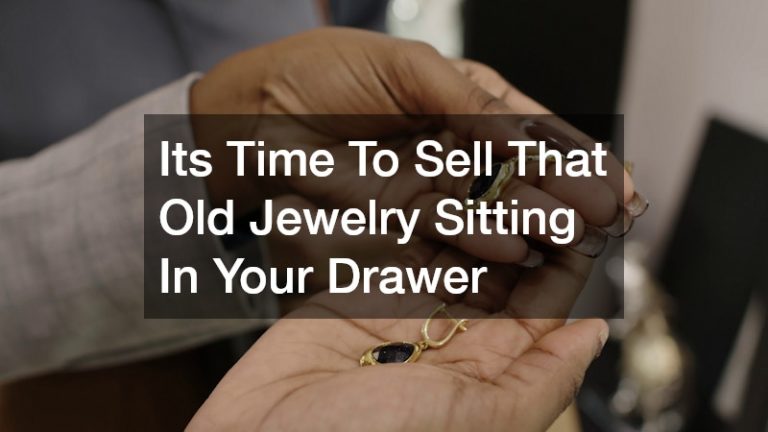
If you’ve got unused necklaces, broken bracelets, or outdated rings tucked away in a drawer, you’re not alone. Many people hold onto pieces they no longer wear, often forgetting that these items can carry significant value. In this article, we will discuss the various aspects of selling old jewelry, helping you determine the best approach to maximize value, where to sell, and how to ensure a smooth transaction. Working with reputable jewelry buyers can make all the difference in turning forgotten items into meaningful cash.
Why Should You Sell Your Old Jewelry?
Realizing Hidden Value
Old jewelry is more than sentimental clutter—it can be a financial opportunity. Gold, silver, platinum, and gemstones often retain or even increase in value over time.
By connecting with experienced jewelry buyers, you can uncover the true worth of pieces you may have overlooked. Even broken or mismatched items can be valuable due to their material content.
Minimalism Benefits
Decluttering your home has both physical and mental benefits. Selling unused jewelry helps simplify your space and reduce unnecessary possessions. Many people are embracing minimalism, and letting go of unused valuables is a practical step in that direction. Jewelry buyers provide an easy way to convert excess items into something more useful, like savings or investments.
Emotional Release
Some jewelry carries emotional weight—perhaps from past relationships or life chapters you’ve moved beyond. Selling these items can provide closure and a sense of renewal. Rather than letting them gather dust, working with trusted jewelry buyers allows you to move forward while gaining something tangible in return.
How to Determine the Value of Your Jewelry?
Assessing Quality and Condition
Before approaching jewelry buyers, examine your items carefully. Look for hallmarks indicating metal purity, assess gemstone clarity, and note any damage. While condition does affect value, don’t assume damaged pieces are worthless. Many jewelry buyers are interested in materials rather than the item’s appearance.
Understanding Market Trends
The value of precious metals and gemstones fluctuates based on global markets. Gold prices, for example, can vary daily. Staying informed about current trends can help you decide when to sell. Knowledgeable jewelry buyers often track these trends closely and can offer competitive prices based on current market conditions.
Appraisal Process
Getting a professional appraisal is a smart move, especially for high-value items. An appraisal provides an unbiased estimate and helps you set realistic expectations. While jewelry buyers may provide their own evaluations, having an independent appraisal gives you confidence during negotiations.
What Are the Steps to Successfully Selling Jewelry?
Preparation and Documentation
Start by cleaning your jewelry and gathering any documentation, such as receipts, certificates, or previous appraisals. Presentation matters, even when dealing with professional jewelry buyers. Clear documentation can also support your asking price and speed up the process.
Negotiation Tips
Don’t accept the first offer without considering your options. Reach out to multiple jewelry buyers to compare quotes. Being informed about your item’s value gives you leverage. Stay polite but firm, and don’t be afraid to walk away if an offer doesn’t meet your expectations.
Finalizing the Sale
Once you’ve agreed on a price, ensure all terms are clear. Reputable jewelry buyers will provide a written agreement outlining the transaction details. Keep records for your reference, especially for high-value sales.
How to Avoid Scams and Ensure Safe Transactions?
Identifying Reliable Buyers
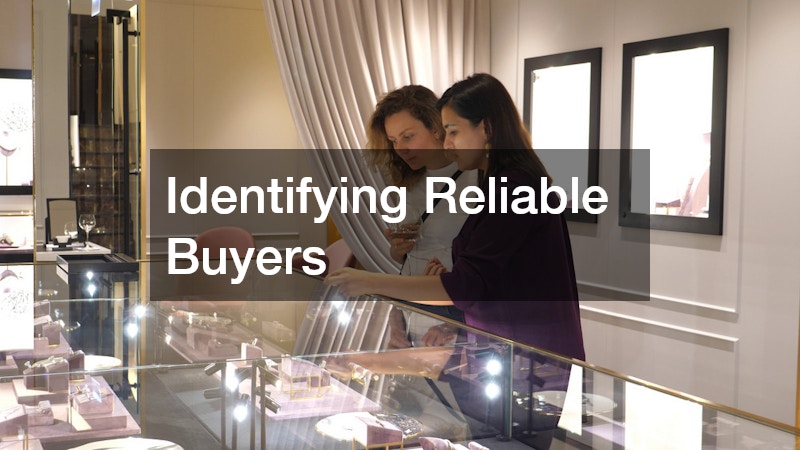
Research is crucial. Look for reviews, ratings, and credentials before choosing jewelry buyers. Established businesses with transparent practices are generally more trustworthy. Avoid anyone who pressures you into quick decisions or refuses to answer questions.
Using Secure Payment Methods
Always opt for secure and traceable payment methods. Cash can be convenient but may lack documentation. Many professional jewelry buyers offer bank transfers or certified checks, providing an added layer of security.
Verifying Buyer Information
Make sure the buyer has a verifiable address and contact information. Legitimate jewelry buyers will have a physical presence or a well-established online reputation. Taking these precautions reduces the risk of fraud and ensures a smooth transaction.
Conclusion
Selling old jewelry can be a lucrative and freeing experience. Whether you’re looking to boost your finances or simply declutter your space, the process becomes much easier when you understand your options. By assessing value, exploring different selling platforms, and working with reputable jewelry buyers, you can maximize your return and avoid common pitfalls. With the right knowledge and approach, that forgotten jewelry in your drawer can turn into a rewarding opportunity.